
Many people reach their 60s believing they are doing “everything right.” Yet without realizing it, small daily mistakes slowly reduce strength, confidence, and independence. These mistakes don’t cause immediate problems—but over time, they quietly affect mobility, mental clarity, and quality of life.This Golden Aging Guide reveals the most common aging mistakes and, more importantly, how to fix them in practical, affordable ways.

1. Ignoring Minor Pain and Discomfort
Small aches are often dismissed as normal aging.
Why this is dangerous:
Minor pain can signal joint issues, posture problems, or early inflammation. Ignoring it often leads to reduced mobility later.
What to do instead:
- Address pain early
- Stretch gently every day
- Use proper posture
- Seek medical advice when pain persists
Early care protects long-term movement.
2. Becoming Overly Careful and Avoiding Movement
Fear of injury causes many seniors to stop moving.
The hidden problem:
Less movement leads to weaker muscles, poorer balance, and higher fall risk.
Safer approach:
- Choose low-impact exercises
- Focus on balance and flexibility
- Move daily within comfort levels
Movement preserves independence.
3. Relying Too Much on Medications Alone
Medications are important—but not complete solutions.
Why this matters:
Without lifestyle changes, medications only manage symptoms, not causes.
Better balance:
- Follow prescriptions correctly
- Support health with diet and activity
- Improve sleep and stress management
Lifestyle strengthens medical care.

4. Eating Too Little or Skipping Meals
Loss of appetite is common with age.
Why it’s harmful:
Skipping meals reduces energy, muscle mass, and immunity.
What helps:
- Small, frequent meals
- Nutrient-dense foods
- Adequate protein intake
Food fuels healthy aging.
5. Neglecting Mental Health
Emotional well-being is often overlooked.
Signs of mental neglect:
- Withdrawal
- Constant worry
- Loss of interest in hobbies
Mental health support includes:
- Social interaction
- Purposeful activities
- Talking openly about feelings
Healthy minds support healthy bodies.
6. Allowing Loneliness to Become Normal
Loneliness is one of the most underestimated health risks.
Research shows:
Social isolation increases risk of heart disease, depression, and cognitive decline.
Simple fixes:
- Daily conversations
- Group activities
- Staying connected digitally or locally
Connection is essential.
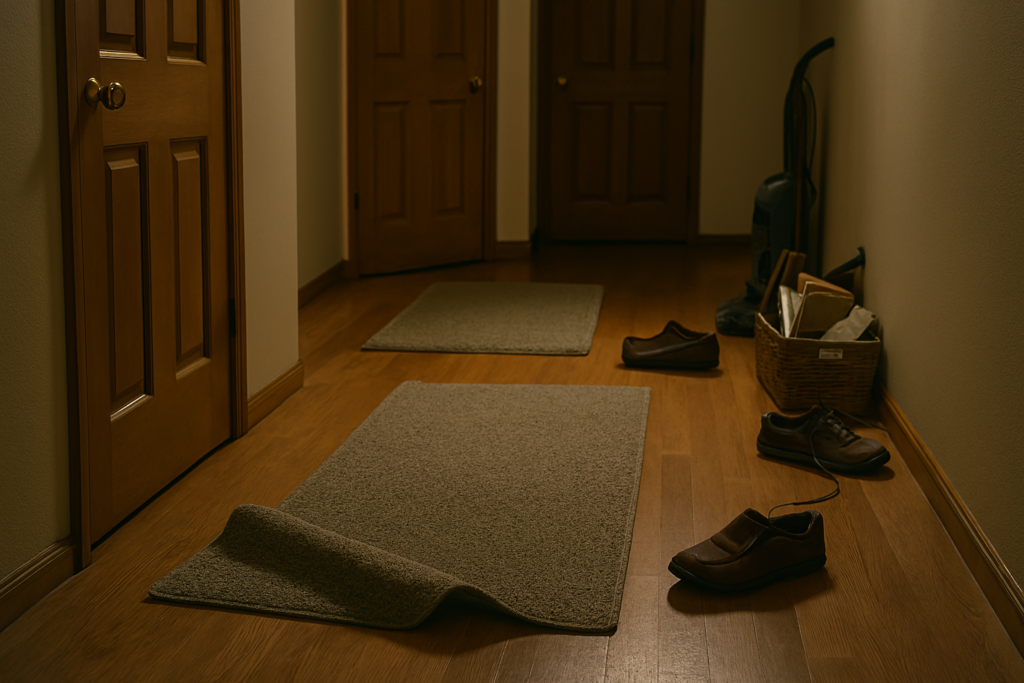
7. Not Adapting the Home for Aging
Many homes are not senior-friendly.
Hidden dangers include:
- Poor lighting
- Slippery floors
- High shelves
- Cluttered walkways
Small adjustments can prevent major injuries.
8. Losing a Sense of Purpose
Purpose gives structure and meaning to life.
Without it:
Motivation, energy, and mental sharpness decline.
Purpose can be found through:
- Hobbies
- Helping others
- Learning new skills
- Sharing wisdom
Purpose keeps life fulfilling.

9. Believing Decline Is Inevitable
The most harmful mistake is accepting decline as unavoidable.
The truth:
Healthy aging is influenced by daily choices, mindset, and habits.
Final Thoughts
Aging well isn’t about avoiding every problem—it’s about making smart, informed choices early. Correcting these common mistakes can protect health, independence, and happiness for years to come.
The golden years can be empowering, fulfilling, and vibrant—when lived intentionally.