
As life expectancy increases worldwide, aging well has become a priority for individuals and societies alike. Healthy aging is more than just avoiding disease — it’s about thriving, adapting, and finding joy every day. This comprehensive guide offers key strategies for aging with wellness and independence.

1. The Foundation: Healthy Lifestyle Habits
Aging well starts with daily choices.
Nutrition
- Emphasize whole foods rich in vitamins, minerals, and fiber.
- Prioritize lean proteins to preserve muscle as metabolism slows.
- Antioxidant-rich foods (berries, leafy greens, spices like turmeric) protect cells from oxidative stress.
Hydration
- Drinking adequate water supports digestion, cognition, and energy levels.
- Older adults should sip water consistently throughout the day.

2. Exercise: The Cornerstone of Functional Health
Remaining physically active preserves independence.
Cardiovascular fitness
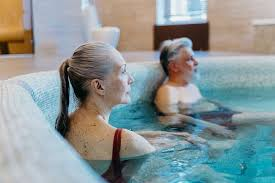
Brisk walking, swimming, or low-impact dancing improve heart and lung health.
Strength and resistance
Muscle mass naturally declines with age — resistance training prevents fragility and supports metabolic health.
Flexibility & balance
Yoga, Pilates, and balance drills reduce stiffness and risk of falls.
3. Mental Stimulation and Continuous Learning
Keeping the mind active strengthens cognitive reserve.
- Try brain games, crosswords, strategy games, or creative hobbies.
- Learn something new — an instrument, art, or a language keeps neural pathways active.
- Group activities provide intellectual stimulation plus social connection.
4. Emotional Wellness and Support Systems
Social and emotional wellbeing are vital for quality of life.
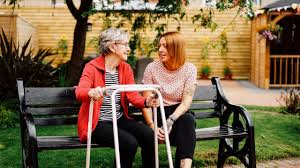
- Relationships matter: strong social networks decrease the risk of depression, cognitive decline, and chronic stress.
- Purposeful roles: mentoring, hobbies, caregiving, or community involvement foster fulfillment and self-worth.
- Mind-body practices: meditation, journaling, or relaxation techniques help manage anxiety.
5. Sleep: Restorative and Rejuvenating
Good sleep is restorative.
- Aim for 7–9 hours each night.
- Establish routines: regular bedtime, screen-free wind-down, cool dark room.
- Address sleep issues like insomnia or apnea with a healthcare provider.
6. Preventive Healthcare and Monitoring
Proactively managing health prevents complications.
- Regular checkups, blood work, and age-appropriate screenings catch issues early.
- Vision and hearing checks maintain independence and reduce social isolation.
- Vaccinations guard against seasonal and age-related infections.
7. Safety, Mobility, and Daily Living
Maintaining independence requires mindful adaptation.
- Home safety upgrades: non-slip mats, brighter lighting, and easy-to-reach shelves.
- Assistive technology: voice-activated devices, medical alert systems, ergonomic tools.
- Transportation options: safe choices keep you mobile and socially connected.

8. Financial and Legal Planning
Security supports peace of mind.
- Organize important documents, wills, power of attorney, and advance care directives.
- Budget for healthcare, living expenses, and leisure — secure financial planning reduces stress.
9. Building Resilience Through Change
Aging brings transitions.
- Approach change with flexibility and openness.
- Cultivate gratitude and adaptability.
- Seek community, support, and professional guidance when needed.

Conclusion
Golden aging is a holistic blend of physical health, mental engagement, emotional fulfillment, and purposeful living. By nurturing these areas throughout life — and especially in later years — you can create a future that’s not just long, but rich with joy, connection, and meaning.